Tree Removal Experts: Preserving Safety and Aesthetic Appeal in Your Outdoor Space
Tree removal solutions are an essential part of maintaining a safe and visually appealing yard. Trees that are overgrown, damaged, or diseased can present serious hazards to both property and people. Additionally, strategic tree removal can dramatically improve the overall aesthetics of a landscape. Understanding when and why these services are essential can help homeowners make informed decisions. What key elements should property owners weigh before undertaking tree removal?
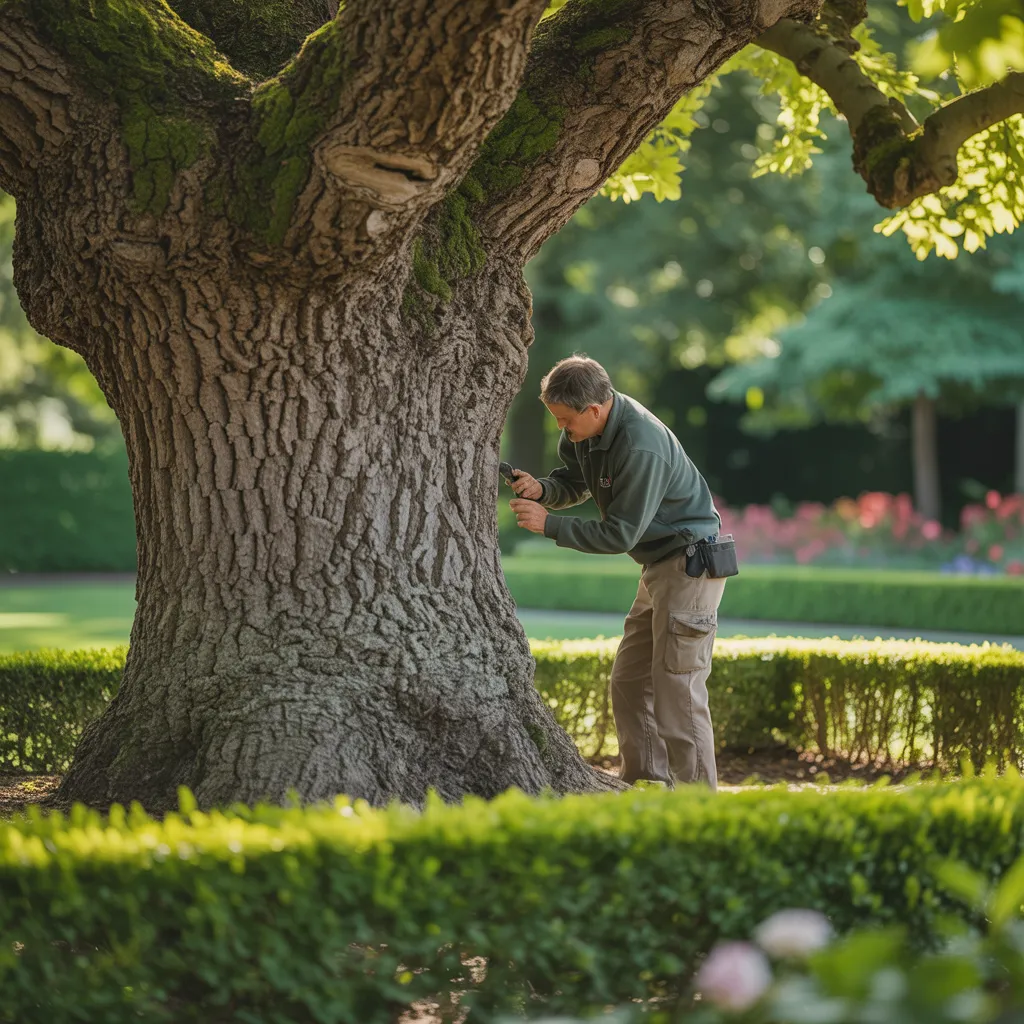
Knowing When Tree Removal Is Needed
In addition, natural elements, encompassing root invasion of foundations or pathways, can require the tree to be removed. Finally, the general visual appeal and spatial factors of a yard may play a role in the decision. By examining these considerations, homeowners can arrive at educated decisions regarding removing trees, ensuring the safety and visual appeal of their surroundings.
The Importance of Tree Removal for Safety
When assessing property safety, tree removal often becomes essential, especially when trees present hazards to surrounding structures or people. Deteriorating or overgrown trees can create substantial risks, such as falling branches or entire trees collapsing during storms. These incidents can cause severe damage to homes, vehicles, and outdoor spaces, as well as pose a risk to the safety of inhabitants and visitors.
Moreover, trees infested with pests or diseases may compromise their structural integrity, heightening the probability of sudden failures. In urban settings, closeness to power lines significantly increases the requirement for removal, as dropping limbs can damage electrical services and generate dangerous situations.
The Way Professional Tree Removal Improves Landscape Aesthetics
Professional tree removal substantially enhances outdoor aesthetic quality by improving visual balance within outdoor spaces. By carefully eliminating oversized or poorly positioned trees, residents can maximize sun exposure, fostering stronger growth in adjacent plant life. Additionally, a properly managed outdoor space frequently results in increased property worth, making professional tree removal a worthwhile investment.
Improved Visual Balance
A carefully tended landscape frequently depends on the careful balance of its elements, and tree removal can play a pivotal role in achieving this harmony. When certain trees grow too large for or fall out of sync with the overall design, they can disrupt the visual flow of the yard. Skilled tree removal allows homeowners to redefine sightlines and create a more cohesive aesthetic. This process can enhance the prominence of existing features, such as garden beds or decorative stonework, allowing them to shine without competition from unruly foliage. Furthermore, the removal of damaged or lifeless trees can eliminate unsightly disorder, contributing to a more pristine visual presentation. Ultimately, carefully planned tree removal fosters a degree of harmony, enhancing the beauty and appeal of the overall landscape.
Greater Sun Exposure
While the presence of trees can provide shade and shelter, excessive canopy coverage often leads to diminished sunlight exposure in a landscape. Professional tree removal can greatly enhance the aesthetic appeal of outdoor spaces by allowing more natural light to penetrate the area. Enhanced sunlight exposure nurtures stronger grass and plants, stimulating rich colors and vigorous development. Furthermore, it can create a more inviting atmosphere, making outdoor spaces feel larger and more open. Such an improvement can further emphasize the architectural details of the property find guide and refine the overall aesthetic balance of the outdoor space. Through the careful removal of specific trees, homeowners can attain a balanced combination of greenery and natural light, elevating the pleasure of their outdoor living space.
Elevated Property Value
Strategic tree removal can significantly boost property value by enhancing landscape aesthetics. When dead, diseased, or overcrowded trees are removed, homeowners can create a more open and inviting space. This not only allows for better sunlight penetration but also showcases the remaining flora, making the yard appear more manicured and attractive. Expert tree removal services ensure that trees are cleared safely and effectively, avoiding harm to nearby structures. Furthermore, a properly maintained landscape can elevate curb appeal, making properties more attractive to prospective buyers. By choosing professional tree removal services, homeowners can dramatically improve the aesthetic quality of their outdoor areas, resulting in a notable rise in property value and market appeal.
What to Consider When Choosing a Tree Removal Service
When selecting a tree removal service, what attributes should one look for to secure a reliable and effective process? First, verify the company's credentials, including insurance and licensing. This confirms that the service is legitimate and protects against potential liabilities. Additionally, assess the proficiency and background of the staff. A proficient team can thoroughly analyze the conditions and carry out the removal while protecting adjacent properties.
Moreover, past client reviews and recommendations shed light on the company's reliability and quality of work. A credible service should also provide clear and detailed estimates and a clear and open process, outlining potential risks and strategies. As a final consideration, find out about safety procedures and machinery applied during the removal process. Considering these key qualities can contribute to a more efficient process, confirming that the tree is removed efficiently while preserving safety standards and professionalism throughout.
Backyard Maintenance Advice Following Tree Removal
Following tree removal, homeowners ought to concentrate on restoring the landscape to recover its beauty and ecological balance. The initial step requires evaluating the area for leftover roots or debris, which may obstruct new plant development. Clearing away any leftover stump or wood chips is vital to prevent pest infestations and create space for new plants.
Next, property owners should evaluate soil health. Testing the soil can reveal nutrient deficiencies, making it possible to apply suitable soil amendments to promote the establishment of new plants. Selecting appropriate or native plants for replanting can contribute to sustaining the natural ecosystem and elevate the overall appearance of the landscape. Mulching around new plants retains moisture and suppresses weeds.
Consistent watering and checking for pests is necessary throughout the initial development period. Moreover, developing a consistent upkeep routine, including periodic pruning and fertilization, helps foster a thriving outdoor space. By applying these guidelines, property owners can ensure their lawns flourish following the removal of trees.
Dispelling Common Misconceptions About Tree Removal Services
In the domain of tree removal services, several misconceptions frequently arise that may lead homeowners astray. These misconceptions frequently ignore important factors such as the environmental impact and safety hazards associated with tree removal. By addressing these common misunderstandings, a clearer picture of professional tree removal can emerge.
Frequently Misunderstood Concepts Clarified
Misunderstandings regarding tree removal services often cloud public understanding, causing homeowners to avoid seeking expert guidance. One prevalent myth is that all tree removal is dangerous and should be attempted only by trained professionals. While it's true that safety is paramount, a variety of trees can be handled effectively with appropriate techniques and gear. An additional false belief is that removing a tree automatically boosts property value; though in reality, this depends heavily on a range of different factors. Additionally, some believe that removing a tree will result in a barren yard, yet professional services can significantly improve outdoor appeal with thoughtful design. At its core, correcting these false beliefs helps property owners approach tree removal decisions with greater knowledge and assurance.
Safety Concerns Neglected
Despite the widespread assumption that tree removal is a simple process, many homeowners fail to recognize the hazards involved. The process is far more complex than cutting down a tree; it demands professional knowledge to address potential hazards such as falling branches, electrical lines, and unstable ground. Untrained individuals often fail to account for these dangers, leading to injuries or property damage. Furthermore, the use of heavy equipment necessitates specific knowledge to handle properly. False beliefs continue that hiring professionals is unnecessary, yet experienced tree removal services are prepared with the right tools and safety protocols to mitigate risks. Ignoring these safety concerns can have severe outcomes, making it imperative for homeowners to recognize the complexities of tree removal before attempting it themselves.
Environmental Impact Myths
Although many assume that tree removal always harms the environment, this viewpoint frequently neglects key considerations. In reality, thoughtful tree removal can support environmental harmony. To illustrate this point, the elimination of dead or diseased trees helps curb the spread of harmful pests and diseases, preserving the health of adjacent vegetation. Additionally, strategic tree removal can enhance sunlight exposure for healthier plants and improve soil quality by reducing competition for nutrients. Moreover, when trees are removed, sustainable practices such as replanting or landscaping with native species can lead to improved biodiversity. Misconceptions claiming that tree removal is always harmful fail to acknowledge the advantages of deliberate action, showing that properly executed tree removal can have beneficial environmental effects. Grasping these distinctions is vital for making well-informed choices about tree management.
Frequently Asked Questions
What Is the Typical Cost of Tree Removal?
Tree removal typically costs between $300 and $2,000, based on factors including tree size, location, and complexity of the job. Extra charges may apply for stump removal or challenging access conditions.
Is Tree Removal Included in Homeowners Insurance Coverage?
Tree removal may be part of a homeowners insurance policy, based on the policy specifics and the reason for removal. It is important for home owners to thoroughly review their coverage and reach out to an insurance representative for further guidance.
How Long Does It Take to Complete the Tree Removal Process?
The process of tree removal generally requires a few hours to a full day, determined by the tree's complexity, size, and specific location. Considerations including equipment and crew availability can also impact the duration.
Can I Remove a Tree Myself?
Cutting down a tree by yourself is achievable, but it demands considerable expertise, ability, and cautionary measures. Many factors, including tree size and location, influence the decision. Expert help is frequently advised to ensure safety and correct methodology.
What Permits Do You Need for Tree Removal?
Local regulations frequently determine the required permits for removing trees. Generally, homeowners must refer to local regulations, as permits could be needed for specific tree species, measurements, or if the tree is found within designated protected zones.